Creativity takes many forms. It might begin with a pair of knitting needles, a blank canvas, a camera, a sewing machine, a lump of clay or a half-formed idea for a book that has been quietly waiting for years.
Across the Vale of Glamorgan and its surrounding communities, people are making things, telling stories, learning new skills and rediscovering the satisfaction of creating something for themselves. Some are experienced artists, writers and makers. Others are complete beginners looking for a new hobby, a change of pace or simply a reason to spend less time staring at a screen.
From knitting and crochet to painting, photography, pottery, sewing, jewellery making and creative writing, there are countless ways to begin. The important thing is not necessarily what you make, but the simple act of starting.
The Vale itself provides no shortage of inspiration. From the colourful streets and coastal character of Penarth and Barry to the historic charm of Cowbridge, the dramatic coastline around Llantwit Major and Southerndown, and the villages and rural landscapes in between, this is an area rich in colour, texture, heritage and personality.
Creativity is everywhere. Sometimes we simply need to notice it.
Why creativity still matters
Modern life is extraordinarily convenient, but it can also be relentlessly digital. We work on screens, shop on screens, communicate through screens and increasingly spend our leisure time looking at them too.
Making something offers a different kind of experience. It is physical, tactile, imaginative and often satisfyingly slow. A knitted scarf grows one row at a time. A painting develops through layers of colour. A photograph begins with noticing something that other people might walk past. A story emerges sentence by sentence.
That process can be rewarding regardless of age or experience. You do not need to consider yourself artistic, own expensive equipment or produce something worthy of an exhibition or bestseller list. Creativity can be useful, decorative, experimental, social or entirely private.
Sometimes the value lies simply in making time for it.
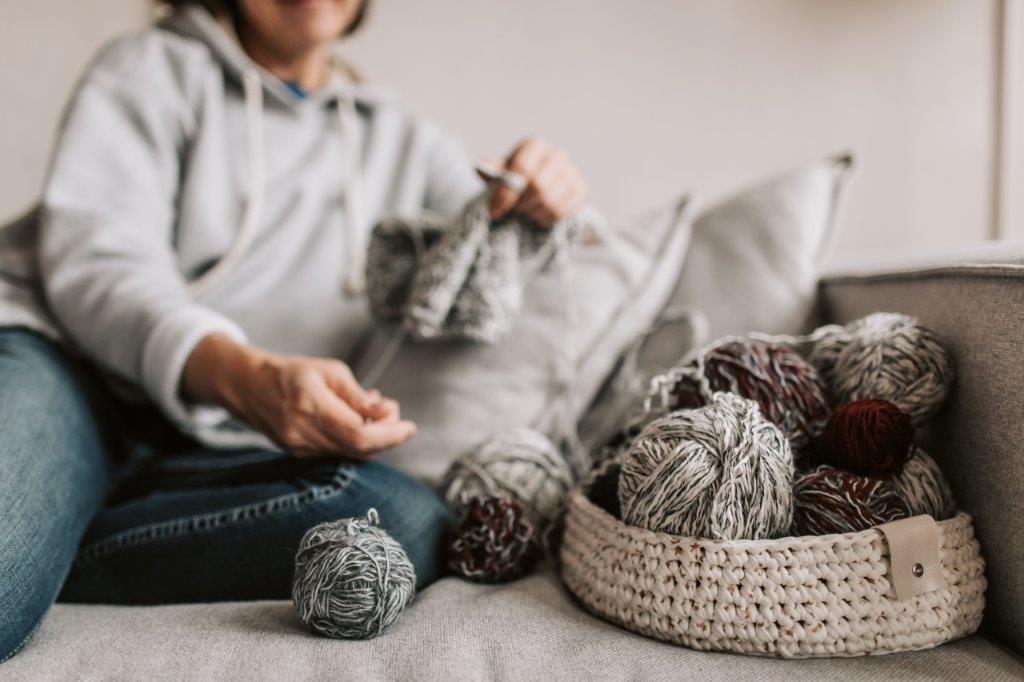
Knitting and crochet
Few crafts combine practicality, creativity and tradition quite like knitting and crochet. Both can be enjoyed almost anywhere, require relatively little space and offer projects ranging from wonderfully simple to technically ambitious.
A beginner might start with a scarf, a basic square or a small accessory. More experienced makers may tackle jumpers, cardigans, blankets, intricate patterns and beautifully detailed gifts. Yarn itself provides almost endless possibilities, with different fibres, weights, colours and textures capable of transforming the character of a finished piece.
Knitting and crochet also carry a strong sense of continuity. Skills are often shared between generations, learned from parents and grandparents, friends, books, online tutorials and fellow makers. Yet these crafts are far from trapped in the past. Contemporary patterns, bold colours and modern designs continue to attract new enthusiasts.
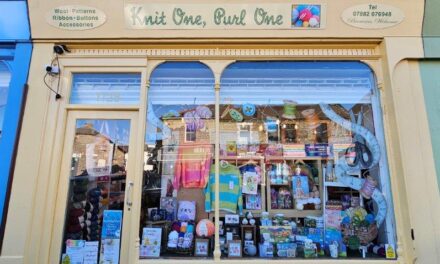
For anyone keen to explore knitting, crochet or other creative crafts, having access to knowledgeable local advice can make a real difference. In Penarth, Knit One Purl One on Glebe Street is an independent craft haven offering yarns, colourful haberdashery, craft kits, gift vouchers and handmade treasures, with a friendly team available to offer ideas and encouragement.
That personal connection is one of the pleasures of visiting an independent craft shop. Colours can be compared properly, textures can be felt and questions can be asked before a project begins. For a beginner staring at unfamiliar yarn weights, needles and patterns, a little knowledgeable guidance can save both time and frustration.
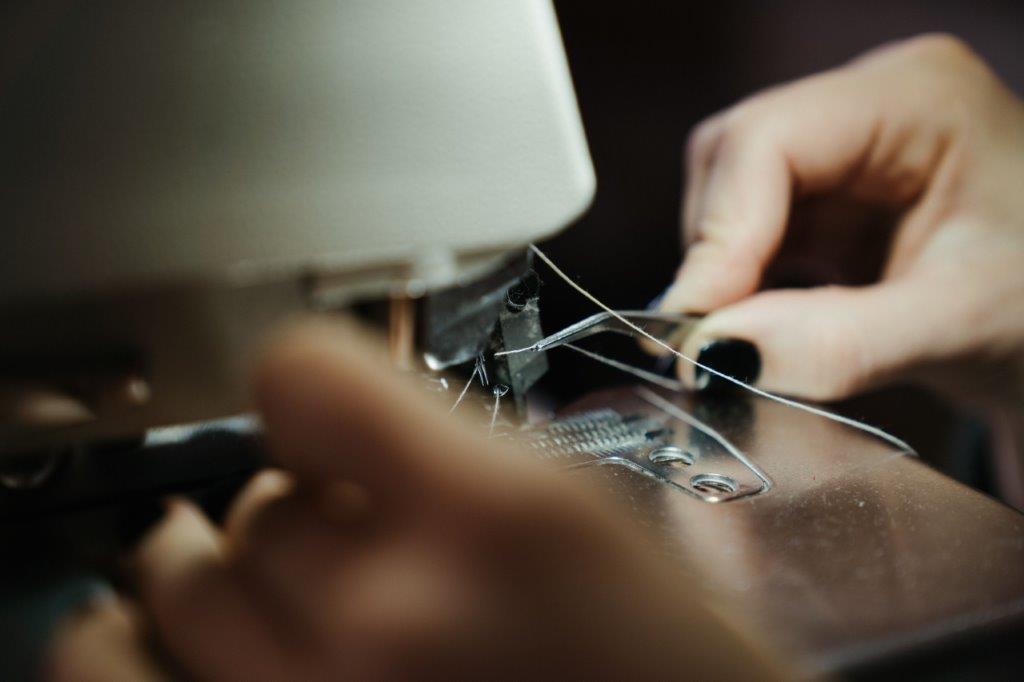
Sewing and the satisfaction of making
Sewing is another skill enjoying renewed appreciation. At its simplest, it can mean repairing a hem, replacing a button or extending the life of a favourite garment. At the other end of the spectrum, it opens the door to dressmaking, quilting, soft furnishings, embroidery and highly individual textile art.
There is something particularly satisfying about creating an object that is both beautiful and useful. Handmade cushions, curtains, bags, clothes and gifts carry a character that mass-produced items often struggle to match.
Sewing also encourages a different relationship with the things we own. A small repair can rescue a much-loved item from being discarded. An old piece of fabric might become something entirely new. Clothes can be altered, adapted and personalised rather than automatically replaced.
For those concerned about waste and overconsumption, traditional making and mending skills can feel surprisingly contemporary.
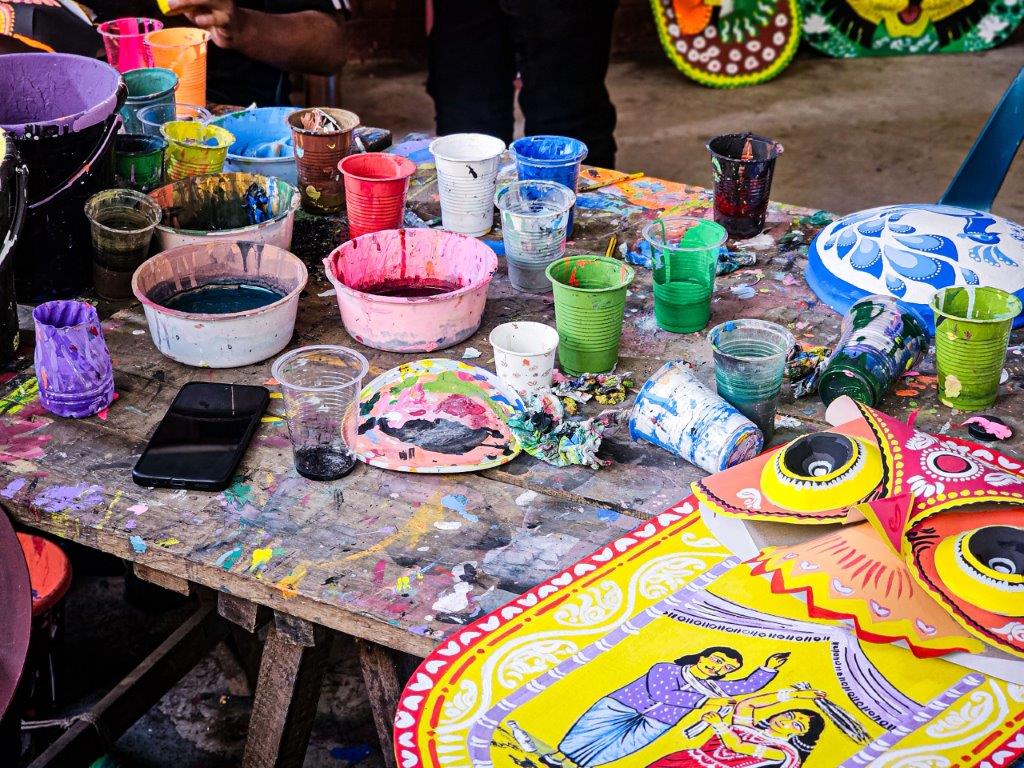
Painting, drawing and local art
The Vale of Glamorgan is a natural playground for painters, illustrators and sketchers. Coastal light, changing skies, historic buildings, busy town centres, quiet lanes and open countryside offer subjects in every direction.
Drawing is one of the most accessible creative activities because the starting point can be so simple. A pencil and a piece of paper are enough. From there, possibilities expand into charcoal, ink, pastels, watercolours, acrylics, oils and digital illustration.
Many adults carry the belief that they “cannot draw”, often because of an experience at school or a tendency to compare themselves with accomplished artists. Yet drawing is not only about producing a perfect likeness. It is also about observation.
The act of sketching encourages us to look more carefully at shape, proportion, shadow and detail. Even a modest sketchbook can become a personal record of places, journeys and everyday moments.
Galleries also play an important role in connecting artists with the wider community. Just beyond the Vale in Pontyclun, Giles Gallery has established itself as a vibrant independent creative destination, bringing together art, makers, exhibitions and opportunities to engage with creativity in a welcoming setting.
Places like this matter because they make art feel accessible. A gallery need not be somewhere entered with trepidation or specialist knowledge. It can be a place to browse, discover an artist, encounter a new style, find a piece for the home or simply leave with a little more inspiration than you arrived with.
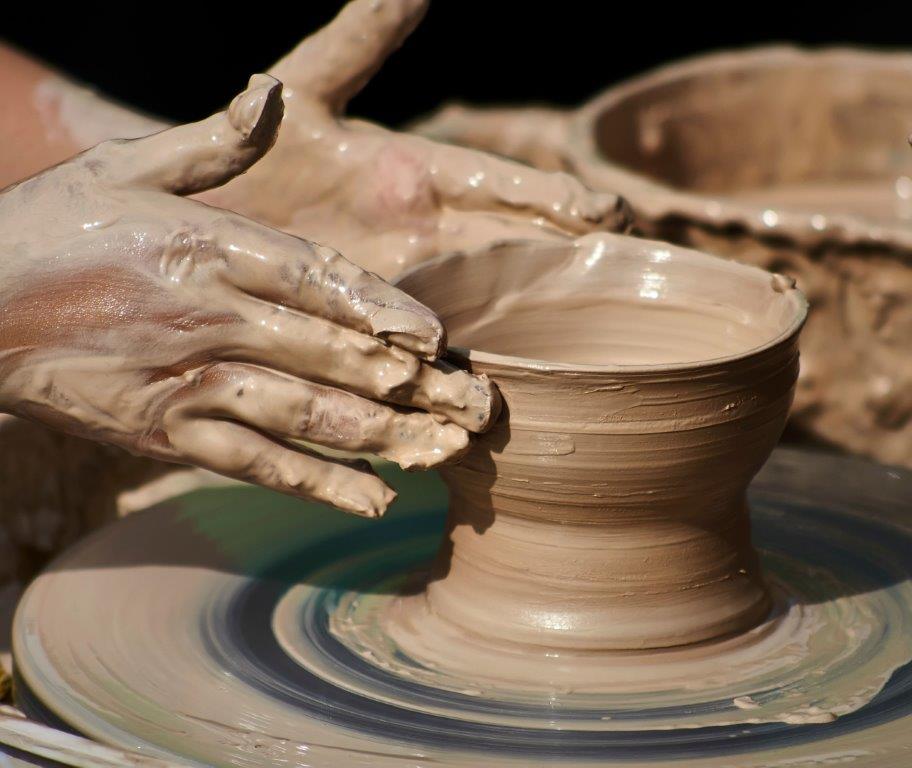
Pottery and ceramics
Clay has a particular appeal because it is so immediate. It can be pressed, shaped, rolled, thrown, carved and transformed, creating everything from functional mugs and bowls to sculpture and decorative work.
Pottery combines creativity with problem-solving. The maker must think about form, balance, texture, glaze and function, while accepting that the material itself sometimes has ideas of its own.
That unpredictability is part of the attraction.
For beginners, pottery can offer a welcome opportunity to work directly with the hands. It is messy, physical and refreshingly removed from the polished perfection of digital life. A handmade ceramic piece may contain tiny irregularities, but those differences are often precisely what give it character.
Ceramics also sit naturally within the wider appreciation of independent makers and locally produced objects. A handmade bowl, vase or mug can carry a story in a way that an anonymous factory-made item rarely does.
Jewellery making
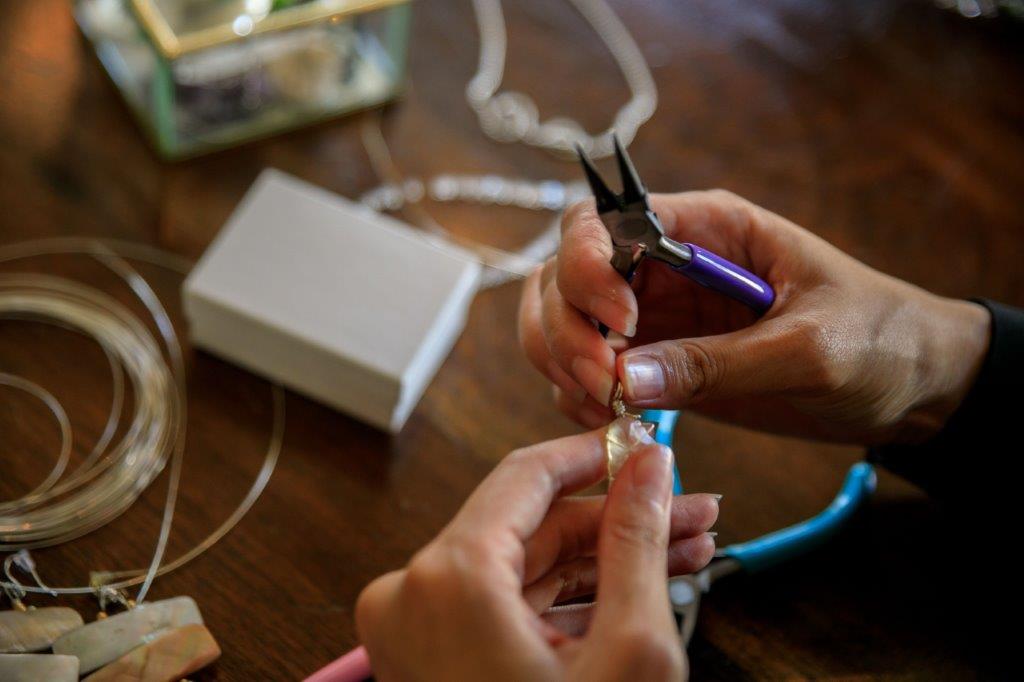
Jewellery making encompasses an enormous range of skills, materials and styles. Beads, wire, silver, clay, textiles, found objects and natural materials can all become part of the process.
For some makers, the appeal lies in precision and fine detail. For others, it is about colour, experimentation and creating something entirely personal.
Handmade jewellery can also make a particularly thoughtful gift. The knowledge that an object has been designed and made by an individual adds a layer of meaning, especially when the piece reflects the personality or story of the person receiving it.
Across the wider creative economy, jewellery makers are a good example of how a hobby can sometimes grow into something more. Kitchen-table experiments become small businesses, online shops, market stalls and eventually established brands.
Creative writing and telling your story
Not every creative project begins with yarn, paint, clay or fabric. Sometimes it begins with a blank page.
Creative writing can take many forms, from poetry and short stories to novels, memoirs, family histories and personal reflections. For some, writing is a lifelong ambition. For others, the desire to put words on paper arrives later in life, perhaps prompted by retirement, a significant experience or the realisation that family stories and memories may otherwise be lost.
The Vale of Glamorgan has no shortage of stories. Every town, village, business and family has its own history, while the landscape itself has inspired generations of writers, poets and observers.
Yet many people who would love to write a book never begin because they assume they need permission, formal training or a perfectly formed manuscript.
They do not.
A book may begin with a collection of handwritten notes, recorded conversations, old photographs, poems gathered over many years or a story that has simply refused to go away. The creative process is often less about waiting for inspiration and more about giving an idea enough time and attention to develop.
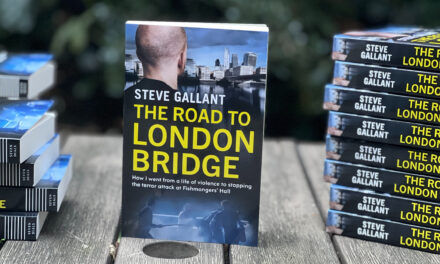
At Vale Life, we have seen first-hand how powerful that process can be. Through our wider publishing and creative work, we have helped individuals shape memories, manuscripts, poetry, fiction and personal experiences into finished books. Some projects begin with an established writer and a completed draft; others start with little more than conversations, fragments and a box of photographs.
There is something particularly rewarding about helping a person recognise that their story matters.
Writing can preserve family history, make sense of experience, entertain strangers and leave something meaningful behind. It can also be deeply absorbing in its own right. Like knitting, painting or pottery, writing asks us to slow down, pay attention and make something that did not exist before.
For anyone carrying the idea of a book, poem, memoir or story, the most important step is often the simplest: begin.
Memoir and preserving family history
There is a particular kind of creativity involved in recording a life.
Many people assume memoirs are only for the famous, yet some of the most compelling stories belong to people whose names have never appeared in newspapers or history books. Childhood memories, wartime experiences, working lives, romances, family businesses, migration, triumphs, mistakes and ordinary moments can become extraordinary when viewed across the span of a lifetime.
Family stories are surprisingly fragile. One generation knows why a photograph was taken, who is standing in it and what happened next. The following generation may know only half the story. Eventually, names and details disappear.
Writing them down can preserve far more than dates and facts. It can capture voices, humour, relationships and the texture of a particular time.
A memoir does not have to begin as a polished manuscript. Recorded conversations can be transcribed. Old letters can provide a structure. Photographs can unlock forgotten memories. A series of anecdotes can gradually reveal a larger story.
For families, the finished result can become something priceless.
Poetry and personal reflection
Poetry occupies its own creative space. It can be formal or free, carefully structured or immediate, deeply personal or sharply observational.
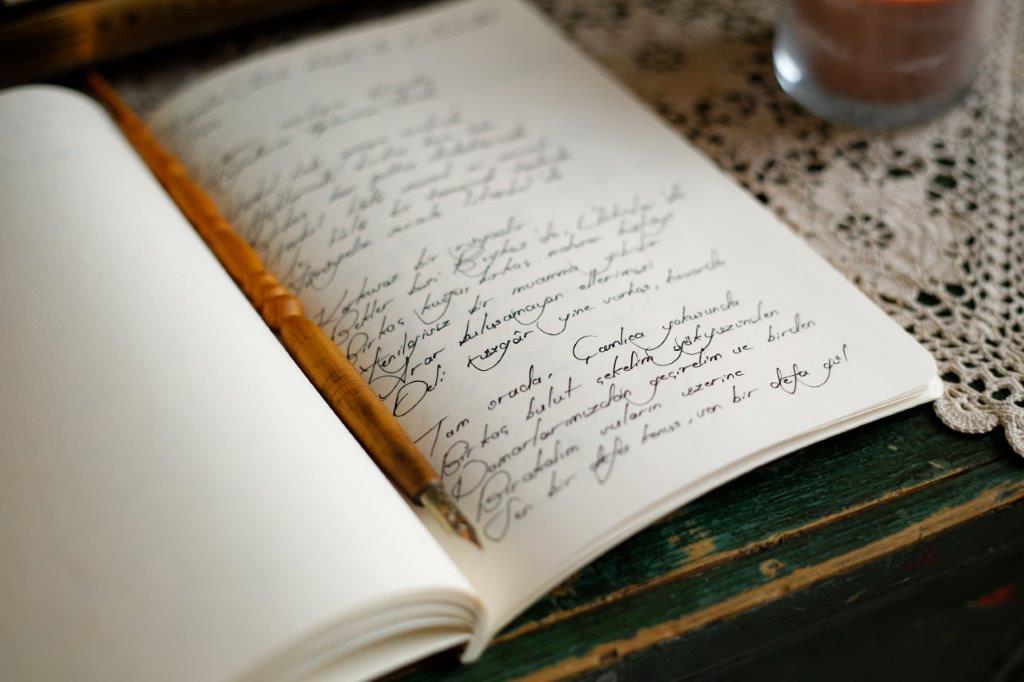
Many people write poems privately for years without thinking of themselves as poets. Words accumulate in notebooks, drawers, computer files and on scraps of paper. Some are written to mark births, deaths, relationships and turning points. Others emerge from humour, frustration, nature, memory or the simple pleasure of language.
Bringing those pieces together can reveal themes and connections that were not obvious when each was written.
A personal collection of poems or reflections does not need a vast audience to have value. Sometimes creating the finished book is itself the achievement.
From manuscript to published book
Writing the words is only one part of creating a book.
A manuscript may need editing, restructuring and proofreading. A title has to be chosen. The cover needs to communicate something about the work before a reader has opened the first page. Interior pages require careful design and typesetting. Photographs may need restoring or preparing for print.
Then come practical decisions about printing, publishing and promotion.
For first-time authors, the process can initially feel bewildering, particularly when online information presents dozens of competing routes. Traditional publishing, independent publishing and self-publishing all have their own advantages and challenges.
What matters is understanding what the author wants the book to achieve.
Some writers dream of reaching a wide commercial audience. Others want to preserve a family history for children and grandchildren. A local historian may want to document a community. A poet may simply want to hold a beautifully produced collection of a lifetime’s work.
There is no single correct definition of success.
Paper crafts, card making and journalling
Not every creative hobby requires a studio or specialist workshop. Paper crafts can be enjoyed at a kitchen table and adapted to almost any level of experience.
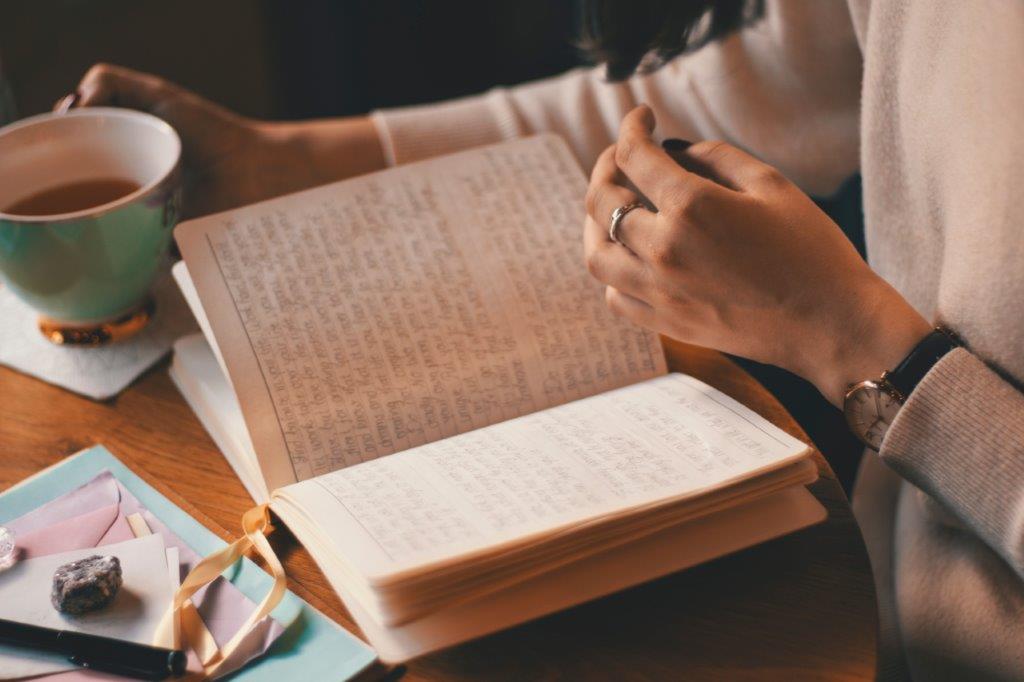
Card making, scrapbooking, collage, calligraphy and decorative paper crafts offer countless opportunities to experiment with colour and design. Journalling can combine writing, drawing, photography, keepsakes and personal reflection, creating something that is both creative and deeply individual.
Handmade cards have a particular charm in an age of instant digital messages. A card that has been designed or created specifically for someone carries an unmistakable sense of thought and effort.
For families, paper crafts can also be among the easiest creative activities to enjoy together, particularly on wet weekends and during school holidays.
Photography and learning to notice
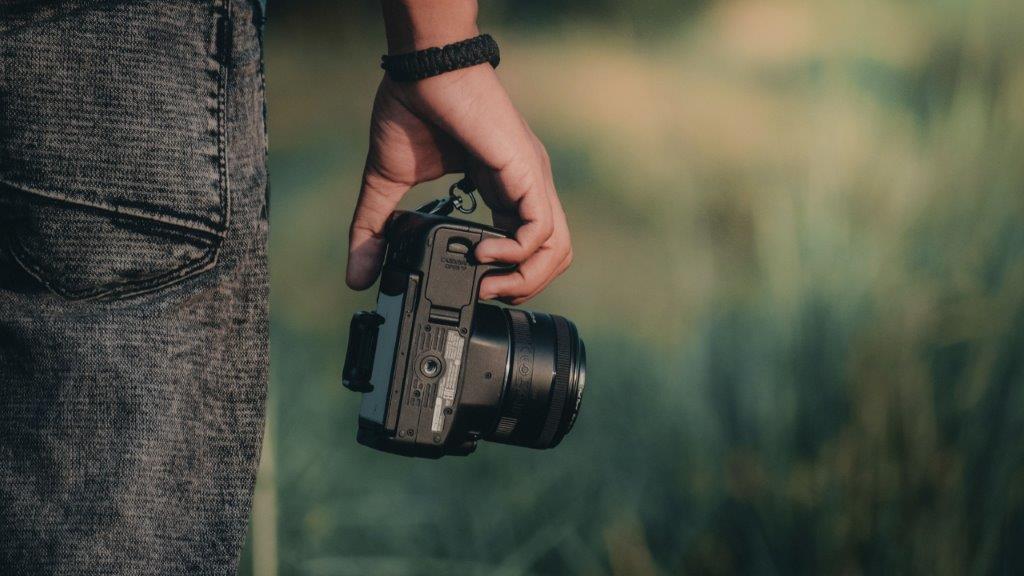
Photography has changed dramatically. Most of us now carry a capable camera in our pocket, yet taking more photographs does not necessarily mean looking more carefully.
Approached creatively, photography is less about equipment and more about observation. Light, composition, timing, perspective and storytelling matter whether an image is captured on a professional camera or a mobile phone.
The Vale offers extraordinary variety for photographers. There are seascapes, wildlife, historic streets, rural scenes, architecture, changing weather and the everyday theatre of town and village life.
Barry Island can look entirely different on a bright summer afternoon and a quiet winter morning. Penarth Pier changes with the light and tide. Rural lanes shift character through the seasons. The heritage coastline can move from tranquil to dramatic within hours.
A simple photography project – one location across four seasons, doors and windows, local architecture, coastal textures or changing skies – can encourage people to see familiar surroundings differently.
Upcycling, restoration and creative reuse
Creativity does not always begin with a blank canvas or new materials. Sometimes the most interesting projects start with something old.
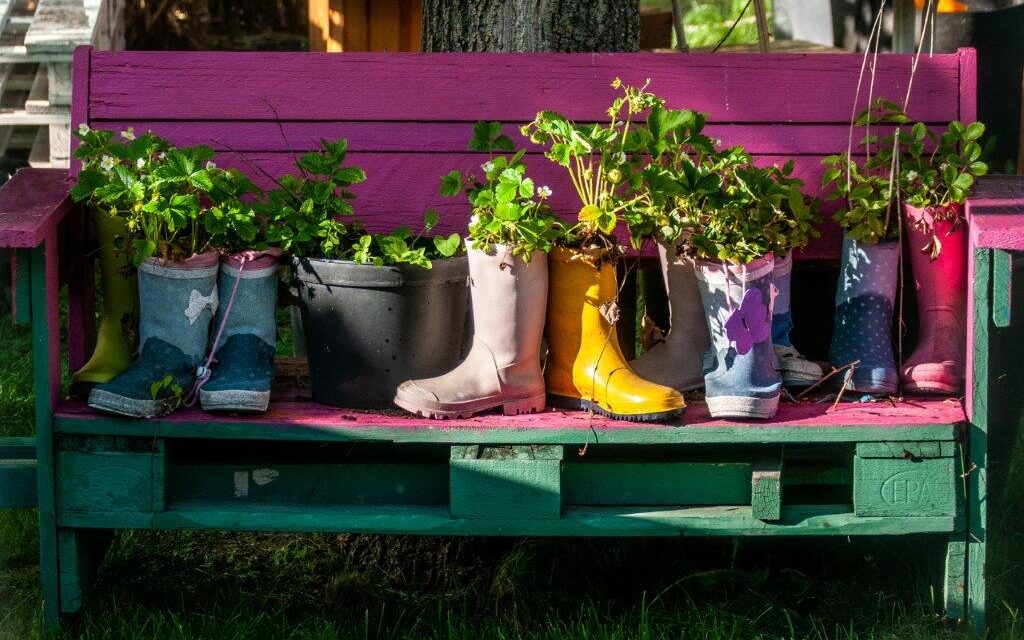
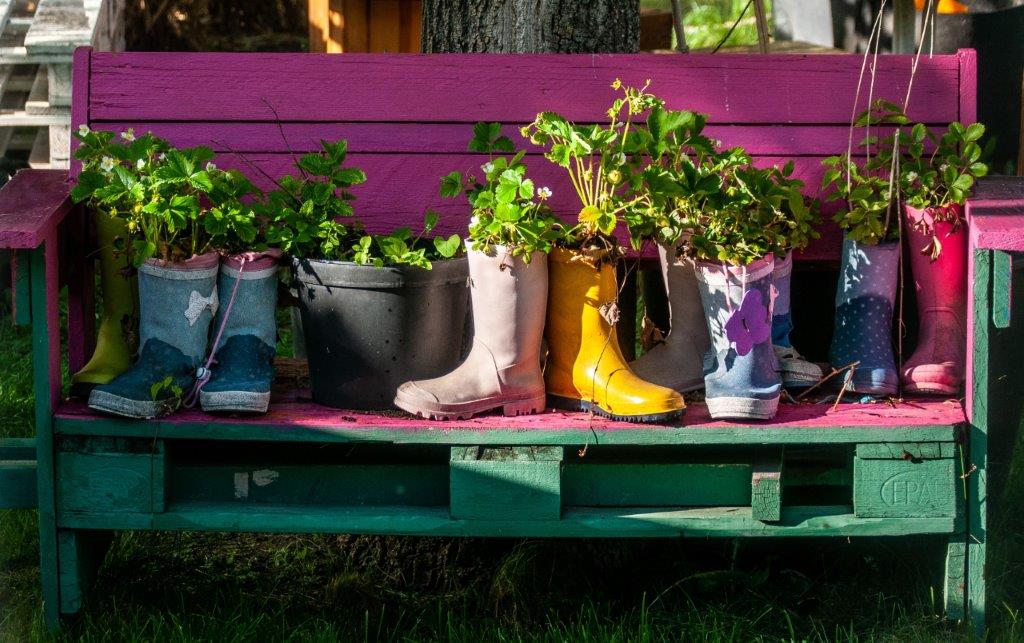
Furniture painting, restoration, decorative upcycling and creative reuse have introduced many people to the pleasure of making. A tired chest of drawers can be transformed. Old fabric can find a new purpose. Frames, boxes, jars, timber and household objects can become the raw material for entirely new ideas.
There is an environmental argument here, but also an emotional one. Older objects may have history, quality and character worth preserving. Creative restoration can allow them to continue their story rather than being discarded.
The key is not to assume that everything old needs to be made to look new. Sometimes sympathetic repair is the most creative decision of all.
Crafting, creativity and wellbeing
One reason creative hobbies continue to attract new interest is the simple need many people feel for quieter, more absorbing activities.
Creative work can demand concentration without feeling like work. Counting stitches, following a pattern, mixing colours, shaping clay, writing a paragraph or composing a photograph gives the mind something immediate to focus upon. The process can provide a temporary break from emails, notifications and the endless background noise of modern life.
The benefits are not dependent on producing a masterpiece. Indeed, perfectionism can sometimes get in the way of enjoyment.
A wonky first scarf is still a scarf. A sketchbook is allowed to contain bad drawings. A handmade pot does not have to be perfectly symmetrical. A first draft is supposed to need work. A photograph can matter because of the memory it captures rather than its technical brilliance.
Creative confidence often grows through doing, not waiting until you feel ready.
The social side of creativity
Although many creative activities can be enjoyed alone, making can also be highly social.
Knitting groups, sewing circles, art classes, writing groups, workshops and informal gatherings bring people together around a shared interest. Conversation often flows more easily when hands are occupied or everyone has a common subject to discuss.
For people who work from home, have recently moved to an area, retired or simply want to widen their social circle, joining a creative activity can provide a natural point of connection.
Different generations can also learn from one another. Traditional skills may be passed down, while newer makers introduce contemporary ideas, techniques and influences.
That exchange is part of what keeps creativity alive.
Creative activities for children
Children are natural makers and storytellers. Give them paper, paint, cardboard, fabric, clay or the beginning of a story and they rarely worry about whether they are sufficiently talented to begin.
Creative activities can encourage imagination, patience, problem-solving and the confidence to experiment. They can also provide a welcome alternative to passive screen time.
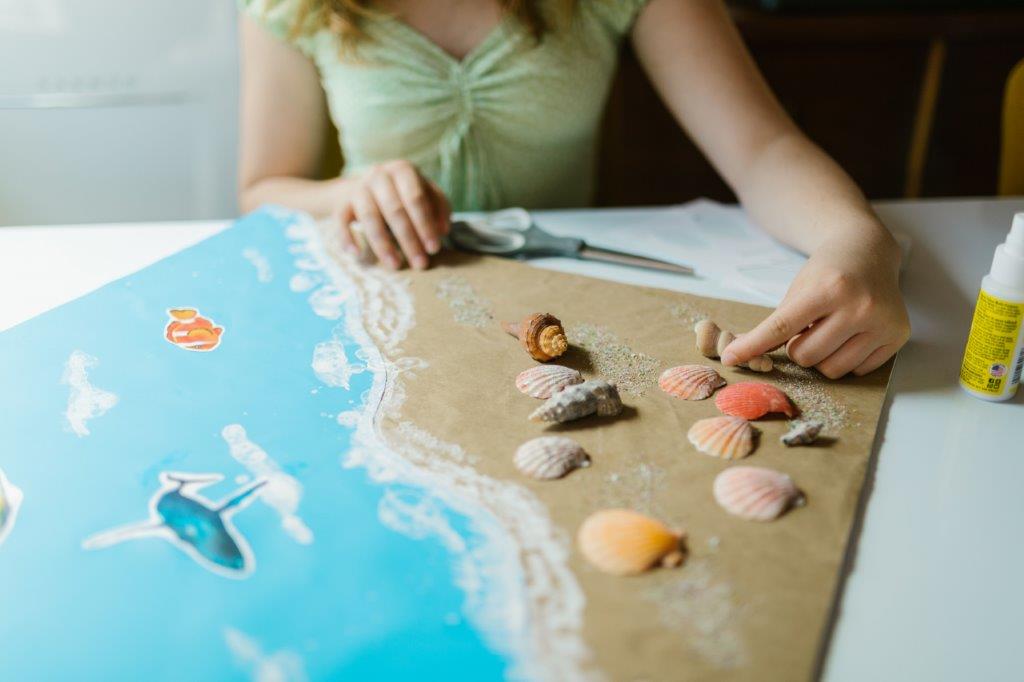
The best projects are often those with enough structure to offer a starting point but enough freedom for children to make their own decisions. Painting stones, creating collages, simple sewing, model making, nature crafts, photography, homemade cards and storytelling can all be adapted to different ages.
The Vale itself can provide inspiration, although natural environments should always be treated responsibly. Fallen leaves, photographs, sketches, colours, textures and observations from a walk can inspire later creative work without disturbing wildlife or removing protected natural material.
A trip to the coast can become a drawing project. A rainy afternoon can become a model-making session. A family photograph can inspire a story.
Creativity does not always need an elaborate plan.
Starting a new creative hobby without spending a fortune
The cost of beginning a hobby can sometimes be intimidating, particularly when social media presents beautifully equipped studios and cupboards full of specialist materials.
In reality, many creative pursuits can be explored with modest equipment.
The sensible approach is to begin with one manageable project rather than buying everything associated with a hobby. A beginner knitter does not need a room full of yarn. Someone trying watercolours for the first time does not need professional equipment in every available shade. An aspiring writer does not need an expensive computer or a writing retreat.
Borrowing books, attending a beginner session, seeking advice from an independent retailer or choosing a well-designed starter kit can help avoid expensive mistakes.
Second-hand equipment can also be useful, particularly for sewing machines, cameras, tools and furniture projects, although electrical and specialist equipment should always be checked carefully before use.
The aim at the beginning is discovery. If the hobby develops into a lifelong passion, the collection of materials will probably expand quite naturally.
Choosing the right creative outlet
With so many possibilities, deciding where to begin can be difficult. One useful question is not simply “What am I good at?” but “What kind of experience do I want?”
Someone seeking calm repetition might enjoy knitting or crochet. A person who loves colour may be drawn to painting, textiles or collage. Those who prefer practical outcomes might enjoy sewing, furniture restoration or pottery. Photography suits people who enjoy exploring and observing. Jewellery making may appeal to those who love intricate detail. Writing can suit those fascinated by people, memory, imagination and language.
Available space matters too. A notebook or sketchbook requires almost no storage. Pottery and large-scale furniture projects are more demanding. Some hobbies travel easily; others need dedicated equipment.
There is no requirement to choose one forever. Creative interests evolve.
Why buying handmade matters
Making and buying are closely connected. Once people understand the time involved in creating something by hand, they often begin to look differently at the work of independent artists and makers.
A handmade object is rarely competing with mass production on speed or price. Its value lies elsewhere – in skill, originality, limited production, personal service and the human story behind it.
Supporting local makers can help sustain small creative businesses and preserve skills that might otherwise disappear. It also contributes to a more distinctive local economy.
The Vale of Glamorgan and surrounding communities have long valued independent businesses, from shops and galleries to studios, designers, writers and individual makers. Choosing locally created work, where possible, helps maintain that diversity.
The importance of independent creative spaces
Online shopping and digital tutorials have made specialist materials and creative knowledge easier to access than ever before. That is a good thing, but physical independent spaces still play an important role.
A screen cannot fully communicate the softness of a yarn, the true shade of a colour, the texture of a painting or the atmosphere of a gallery. Nor can an automated product page always answer the slightly uncertain question of a beginner who does not yet know the correct terminology.
Independent craft shops, galleries, studios, bookshops and workshops create opportunities for discovery. They offer knowledge, reassurance, conversation and the chance to encounter something unexpected.
They also help creativity remain visible within our towns and communities.
Finding inspiration in the Vale of Glamorgan
Perhaps the greatest creative resource in the Vale is the area itself.
The coastline offers constantly changing light and weather. Towns such as Penarth, Barry and Cowbridge provide architecture, street life, independent businesses and historic details. Villages and rural landscapes offer a different palette of stone, woodland, fields and seasonal colour.
Creative inspiration can be found in obvious landmarks, but also in overlooked details: peeling paint on an old door, reflections after rain, harbour ropes, patterns in stone, wildflowers at the edge of a path or the shape of winter trees against an evening sky.
Writers might find inspiration in overheard conversations, local history, childhood memories or the stories attached to particular buildings. Photographers may return to the same stretch of coastline repeatedly and never see quite the same scene twice. Painters may become fascinated by the changing colour of the sea. Makers may find ideas in natural forms, architecture or traditional patterns.
You do not necessarily need to travel far to find a subject.
Sometimes the challenge is to look again at what has become familiar.
Making creativity part of everyday life
One of the biggest barriers to creative pursuits is the belief that there is not enough time.
Yet creativity does not always require an entire free day. Ten minutes of sketching, a few rows of knitting, a short photography walk, half an hour spent planning a sewing project or 300 words of a story can maintain momentum.
Leaving materials accessible can help. A sketchbook on a table is more likely to be used than one hidden in a cupboard. A small project bag allows knitting or crochet to travel. A notebook beside the bed can capture an idea before it disappears.
It can also help to separate creativity from productivity. Not every hobby needs to become a business, generate social media content, attract an audience or produce perfect finished objects.
Not every writer needs to sell thousands of books. Not every painter needs an exhibition. Not every photographer needs expensive equipment. Not every knitter needs to produce flawless work.
Making something purely because you enjoy making it is reason enough.
A more creative Vale
Creativity is sometimes treated as a pleasant extra, but it is woven deeply into everyday life. It appears in the clothes people make and mend, the photographs they take, the pictures on their walls, the objects they treasure, the stories they tell and the gifts they choose for others.
Across the Vale of Glamorgan and nearby communities, there are countless opportunities to begin, rediscover or deepen a creative interest. The first step might be buying a sketchbook, picking up a pair of knitting needles, visiting a gallery, joining a workshop, opening a blank document or finally taking that box of family photographs down from the cupboard.
The finished result is not always the most important part.
A creative life is built through curiosity, attention and the willingness to try.
One stitch, one sketch, one photograph, one page, one idea at a time.
…
Want to publish your poems or novel or life story?
Get in touch with Jennifer or Mark here at Vale Life. Publishing has never been so easy.
…