Mention solar panels and many people still picture the technology of fifteen years ago: bulky, bright blue rectangles in shiny silver frames. For owners of the Vale’s barn conversions, coastal properties and stone cottages, that image has often been reason enough to rule solar out, on the grounds that it would spoil a good roofline.
Both the panels themselves and the way they are fitted have changed a great deal since then. The sections below explain what is different now, and what is worth understanding before deciding whether solar suits your home.

1. All-black panels that blend into the roof
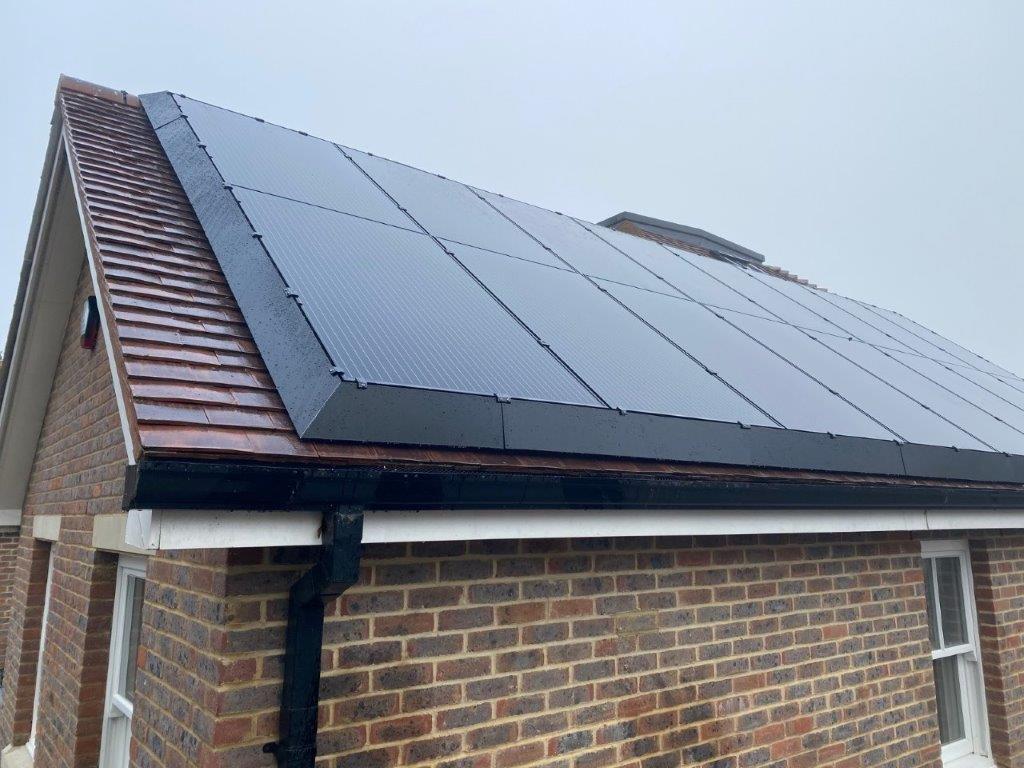
The panels are where the change is most obvious. Many quality installations now use all-black monocrystalline panels, in which the cells, the frame and the backing sheet are all a matt black. In place of a grid of blue rectangles broken up by silver lines, the roof carries a single, even, dark surface that reads more like slate than like technology. On the grey-tiled and slate roofs common across the Vale, this helps the array settle into the roofline rather than stand out from it.
Modern panels are also efficient, which matters on smaller or partly shaded roofs where there is less space to work with. If keeping the look of the house is a priority, it is worth asking to see all-black panels specifically, as cheaper silver-framed units are still widely fitted.
2. The solar skirt: finishing the edges
Even with black panels, the edge of an array can give a system away. Where the panels meet the tiles there is often a visible gap, with daylight showing underneath and the mounting rails on view. It is a small detail, but it is the one that tends to make an installation look added on rather than built in.
A solar skirt is a slim trim fitted around the perimeter of the array. It closes that gap and hides the brackets beneath, leaving a clean line where the panels meet the roof. Not every installer fits one as standard, so it is worth raising if a tidy finish matters to you.
3. Tidier storage: stackable battery systems
A solar system is more than the panels on the roof. There is an inverter, and increasingly a battery, and both need to go somewhere, usually a garage or utility room. Older installations could be untidy, with separate boxes, a large battery and cabling run openly across the wall.
Newer storage systems, such as the EcoFlow stackable range, are designed more like household appliances. They typically offer:
* Internal connections, so there are no wires trailing down the wall
* A compact, vertical footprint that fits into tight spaces
* A clean finish that does not need hiding away
If space indoors is limited, it is worth discussing storage early with your installer, as it affects where the system can realistically go.
4. Discreet covers for outdoor equipment
Not every home has space to spare indoors, and some owners would rather keep the equipment outside in any case. The usual result has been a metal box fixed to an external wall.
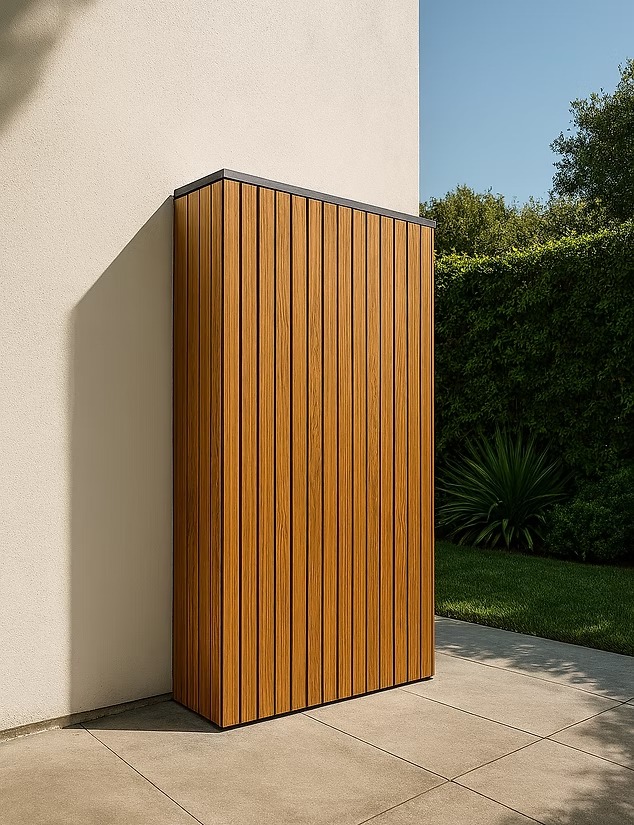
Bespoke covers offer a tidier option. A slatted timber enclosure, for example, screens a battery or inverter so that it reads as a garden feature rather than a piece of utility kit, and with some planting around it the equipment is easily hidden. Finishes vary, so a cover can usually be matched to existing fences, decking or outbuildings.
Before you go ahead
Two things are worth knowing before committing. The first is savings. You will see large percentages quoted, but the figure that reaches your own bill depends on your house rather than a headline: the size of the system, how much electricity you use during daylight hours, whether you add a battery, and the rate your supplier pays for what you export under the Smart Export Guarantee. As a rough guide, electricity you use yourself is worth around twice what you earn by exporting it, so the more you use or store, the better the return. A good installer should model this against your actual usage rather than promise a flat percentage.
The second is permissions. For most homes in Wales, roof-mounted solar is permitted development and needs no planning application, provided the panels sit close to the roof slope and do not rise above the ridge. Listed buildings and many conservation areas are the exception, and a good part of the Vale falls into one or the other, so it is worth a quick check with the Vale of Glamorgan Council planning team, or with an installer who knows the area, before anything is ordered.
Seeing it in person
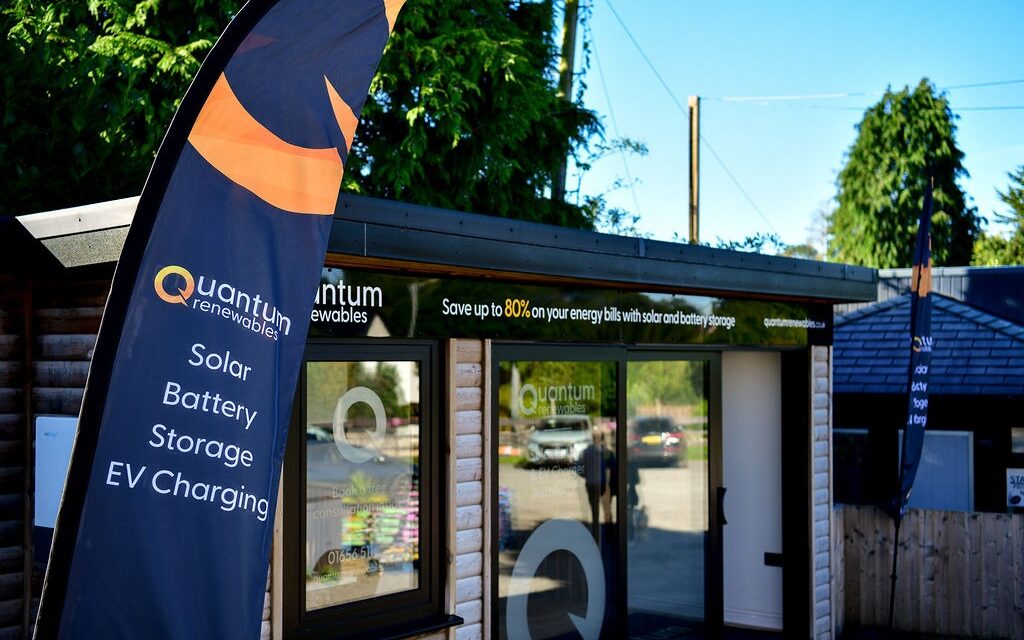
Quantum Renewables is a local installer working across the Vale, designing each system around the individual property. Its showroom is open if you would like to see the all-black panels, stackable storage and timber covers for yourself, and the team offers a home consultation, free and without obligation, to assess what would suit your roof.
Quantum Renewables
Smart energy, beautifully designed.
To find out more or arrange a free consultation, contact the team at Quantum Renewables and discover how modern solar could work for your home.
Quantum Renewables
Ewenny Garden Centre
Ewenny Road
Bridgend CF35 5AD
01656 511218
info@quantumrenewables.co.uk
Looking for more sun?
Check out www.travellifemag.co.uk for sunnier destinations.
…
Want to save money?
Check out these ten tips: Click here!
…